
Marca registrada: Advance Publications. Las referencias en findmynextrace.com son nominativas.
Europa (41)








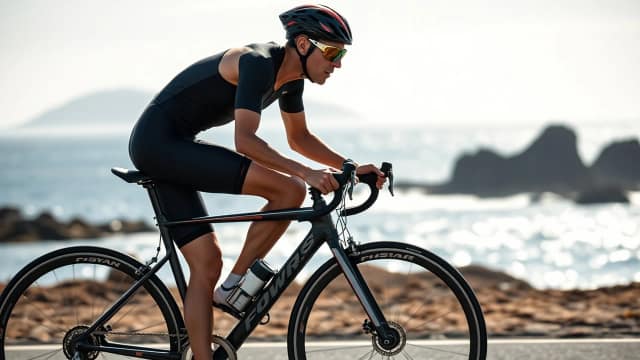
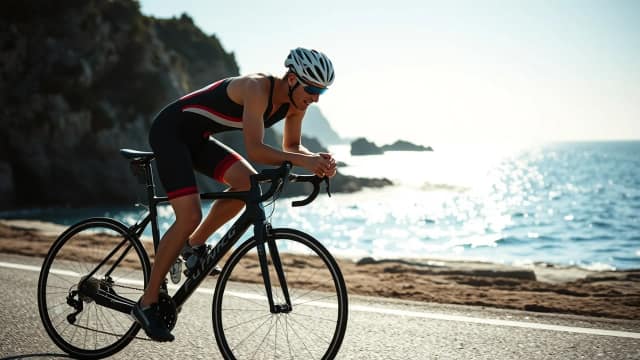




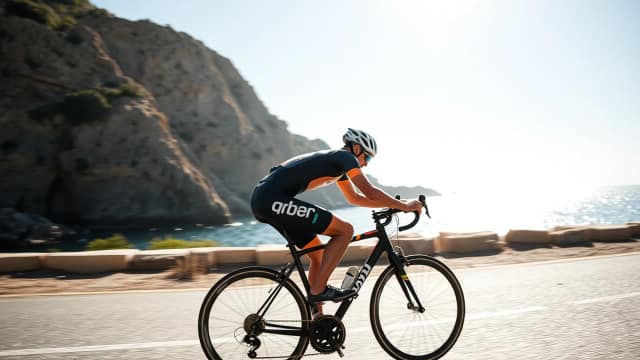
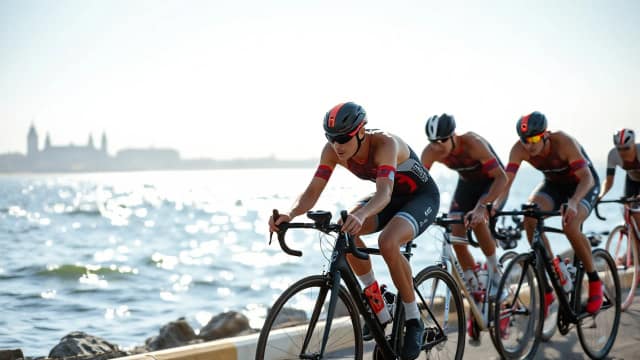









Norteamérica (19)







Formato
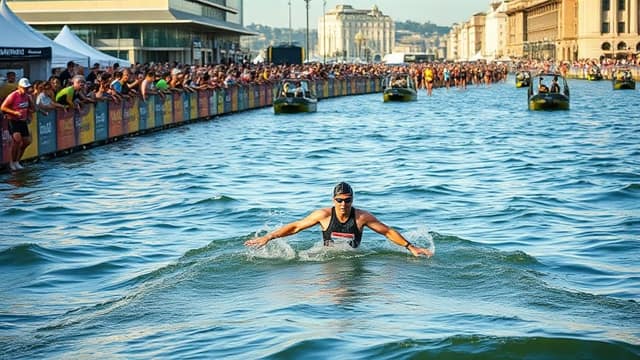
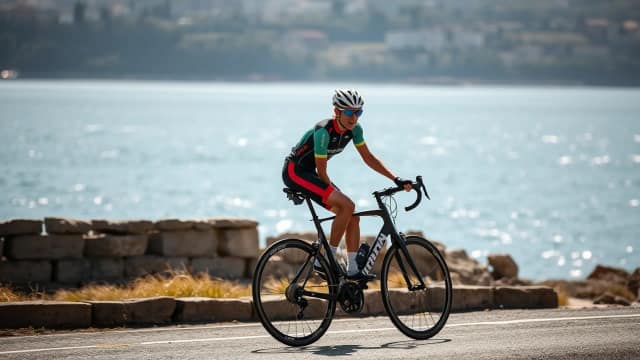
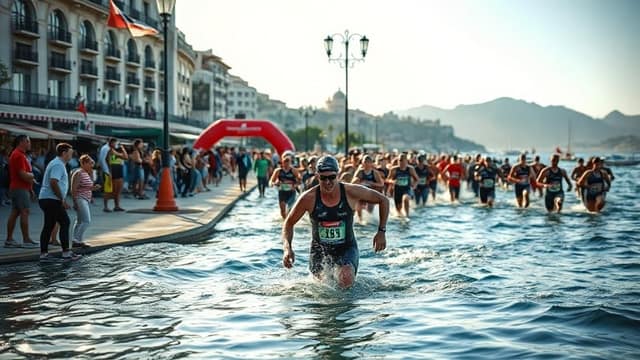
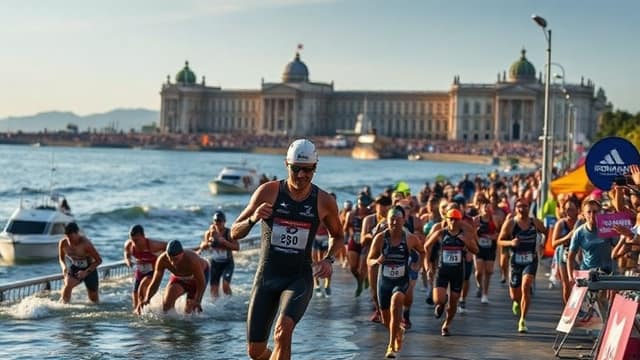
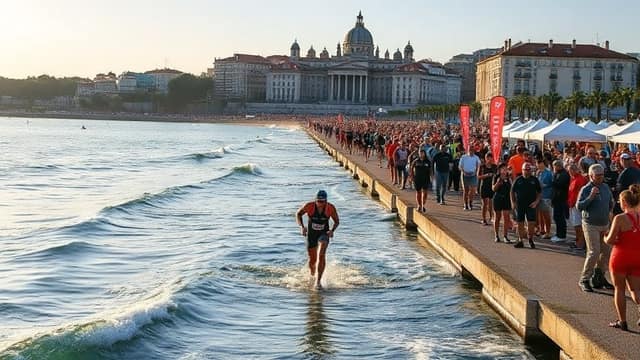
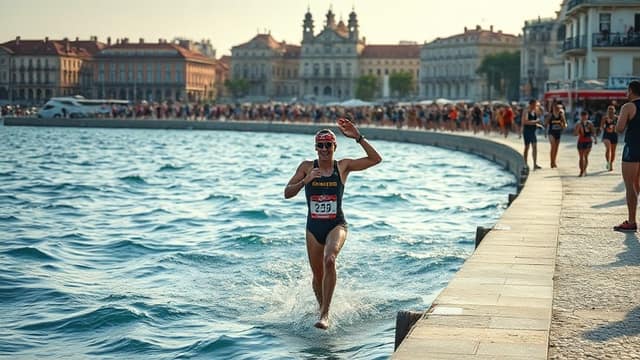
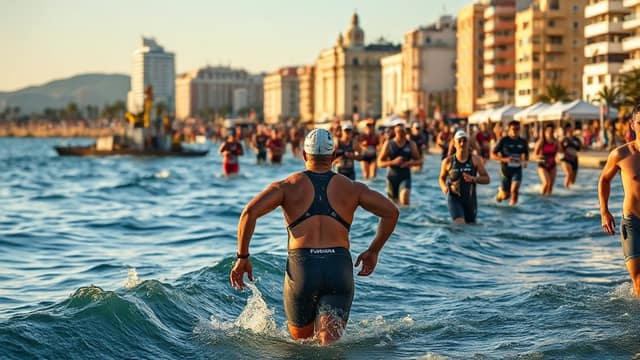
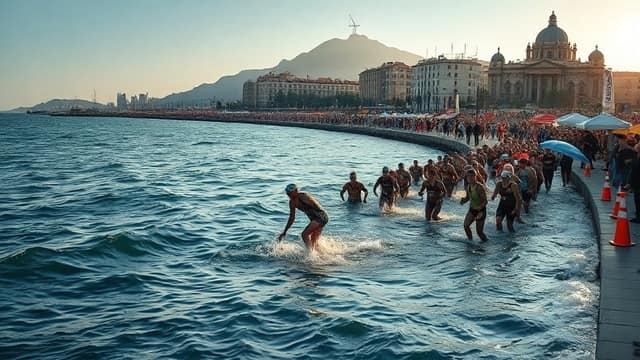
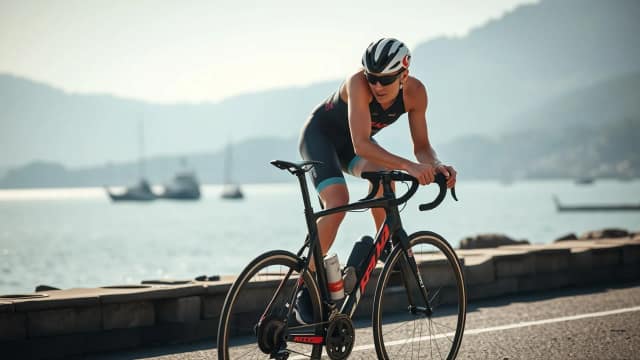
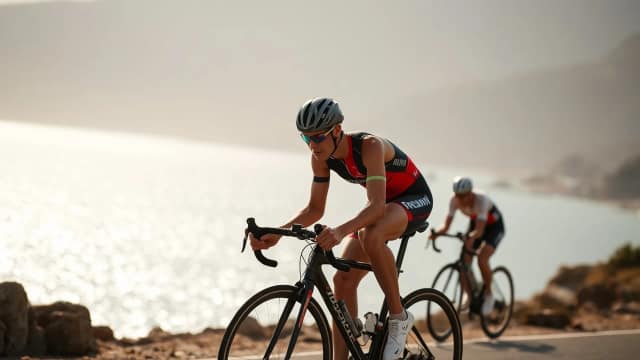
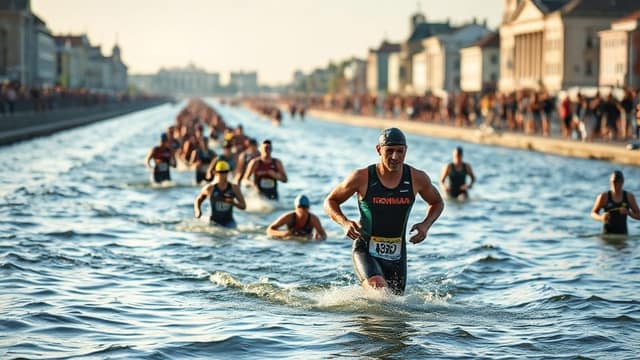
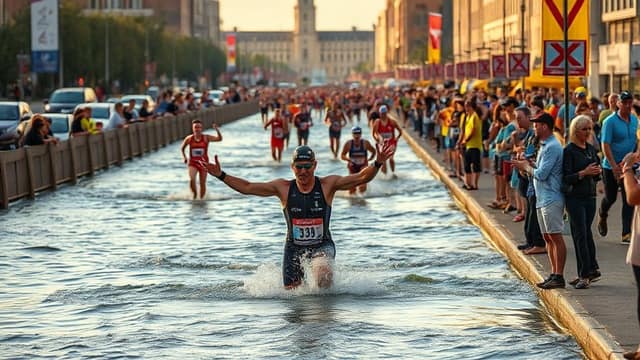
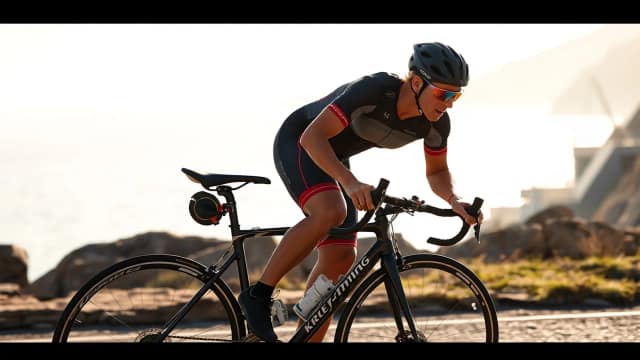
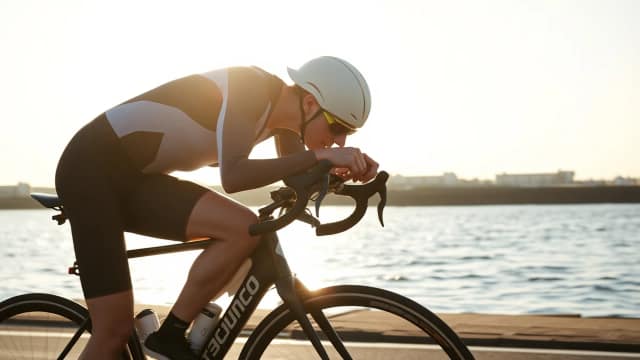
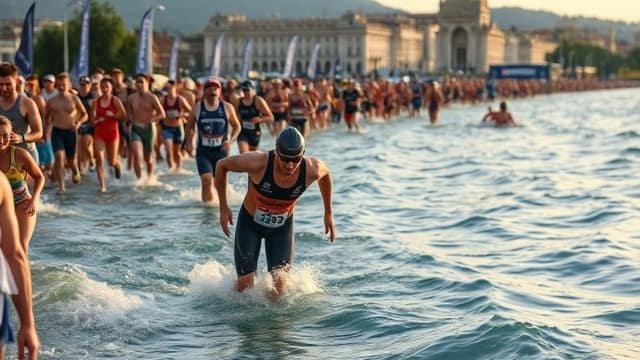
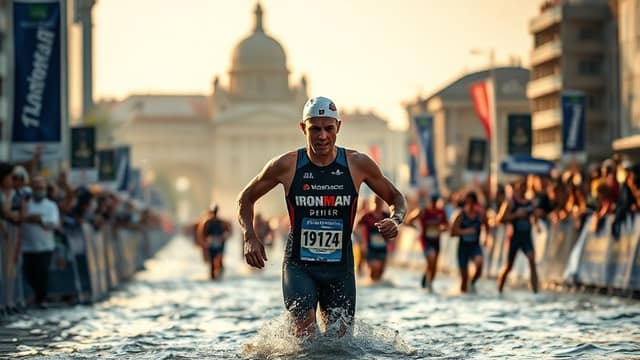
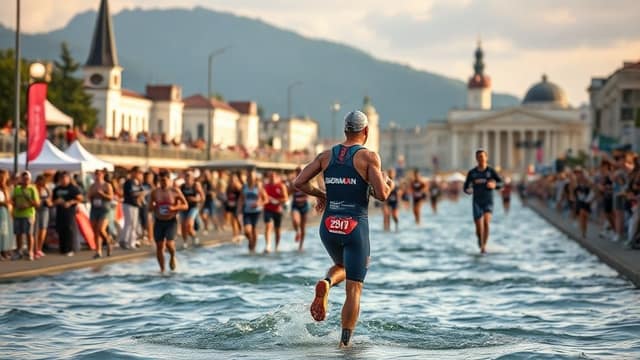
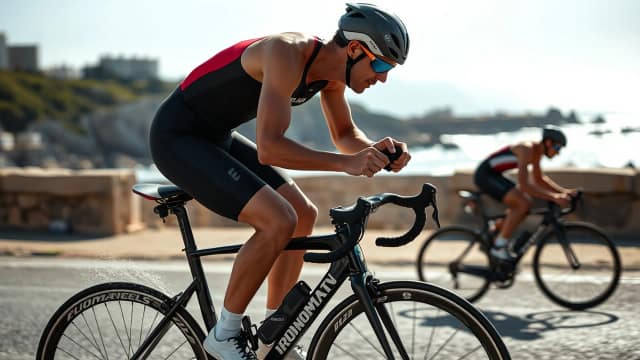
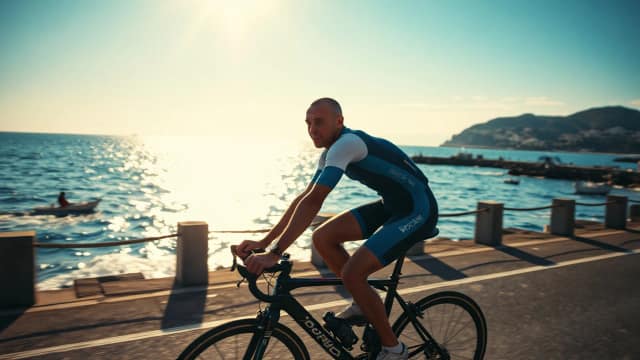
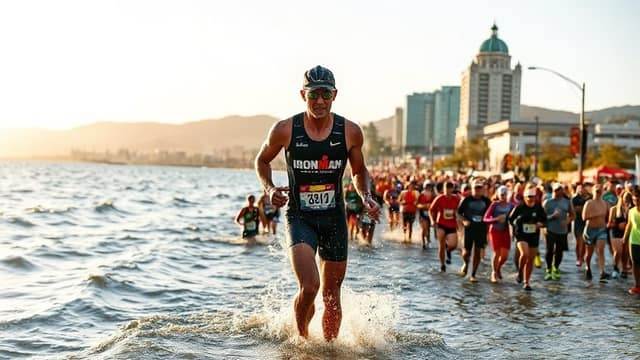
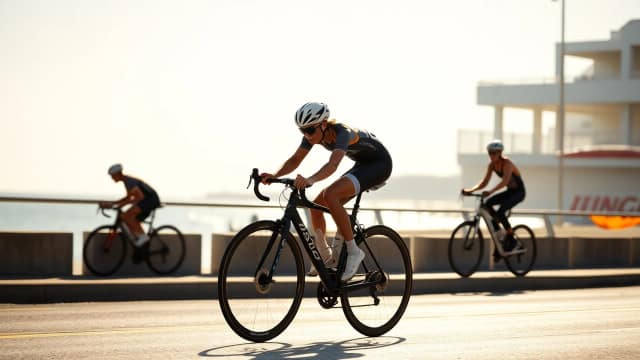
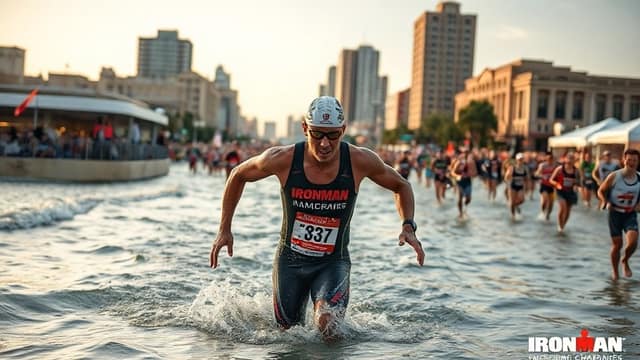
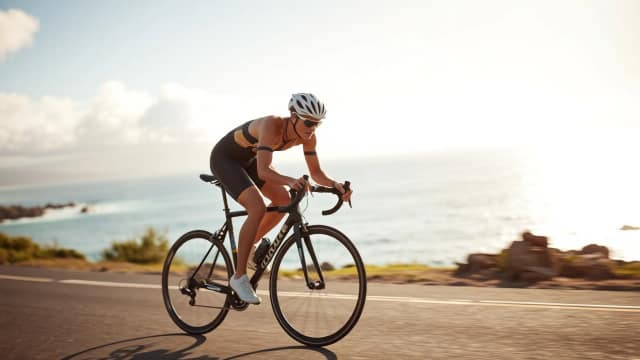
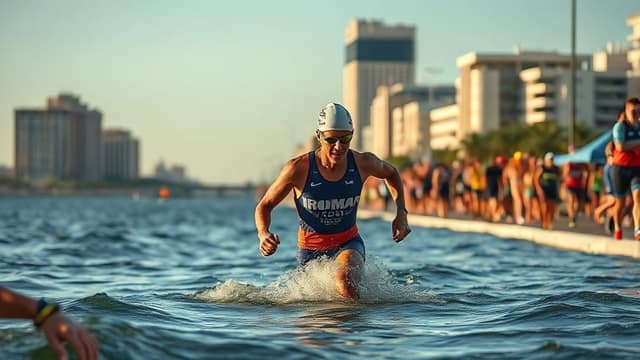
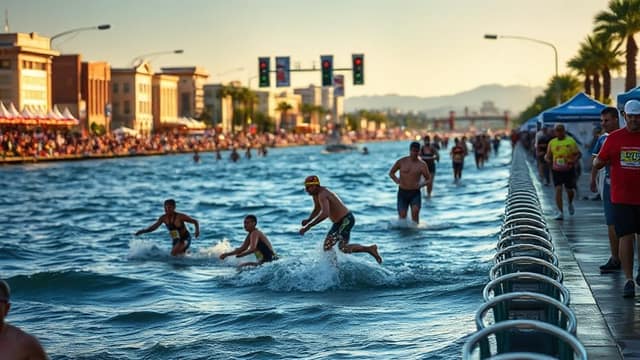
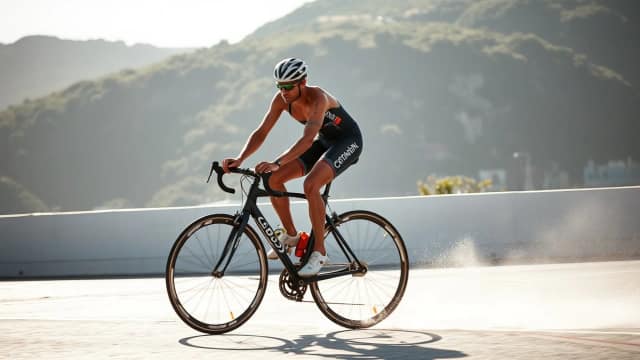
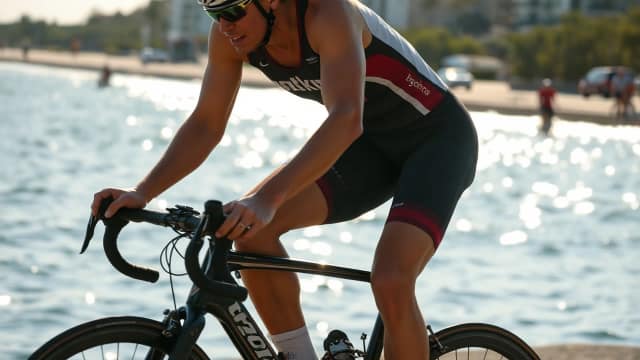
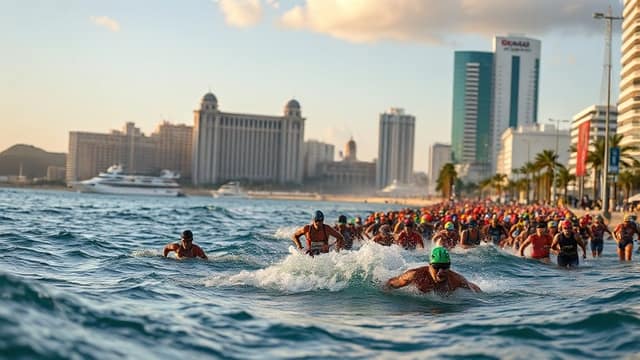
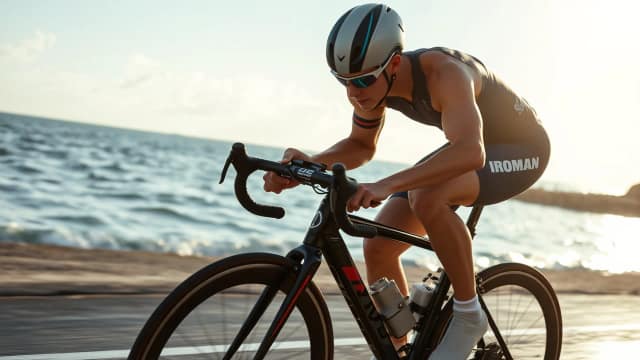
A full IRONMAN is 3.8 kilometres of open-water swimming, 180 kilometres on the bike, and a marathon to finish. Cutoff is 17 hours, with sub-cutoffs at the end of each leg to keep the field moving: typically 2:20 for the swim and a 10:30 cumulative bike cutoff, both adjusted slightly by venue. IRONMAN 70.3 (sometimes branded "Half") is exactly half the numerics across all three legs and finishes on an 8:30 cutoff. Roughly two-thirds of full-distance qualifiers come from athletes already racing 70.3s in the same year, and many race organisers schedule the two formats together (Port Macquarie and Vitoria-Gasteiz are common examples), so an athlete can choose distance at registration without changing venue.
Clasificaciones y campeonatos
Every sanctioned IRONMAN and 70.3 race awards age-group slots into a World Championship: Kona, Hawaii for the full distance, a rotating venue for 70.3. Slot allocation is proportional to the number of starters in each age group: a five-year band with 100 entrants typically receives around two slots, while smaller bands may receive one or none. Athletes earn their slot by finishing position within their age group and accept it at the morning-after rolldown ceremony; if a top finisher has already qualified or declines, the slot rolls down to the next eligible athlete present at the ceremony. The full IRONMAN World Championship has run continuously on Hawaii's Big Island since 1981 with rare exceptions during the COVID-19 disruption and the 2022 St George edition. There is no time-qualifying back door. Athletes must finish in slot at a sanctioned race to start in Kona.
Ediciones anteriores
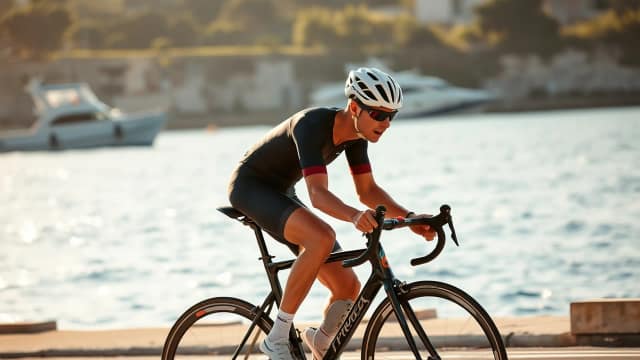
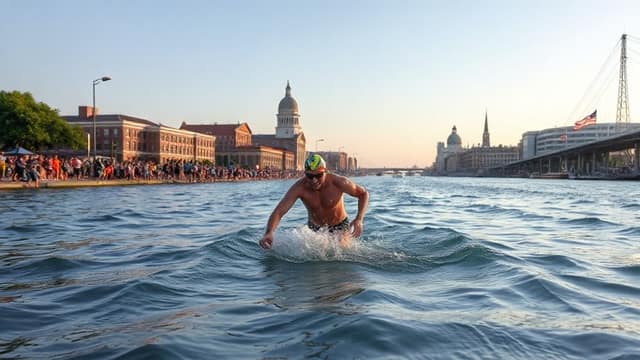
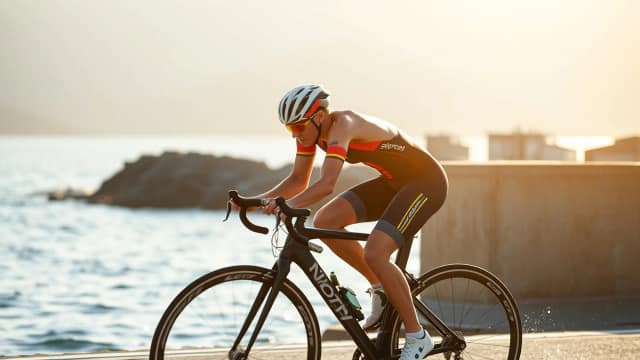

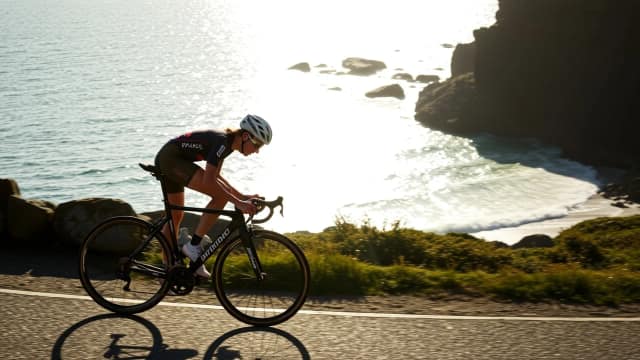
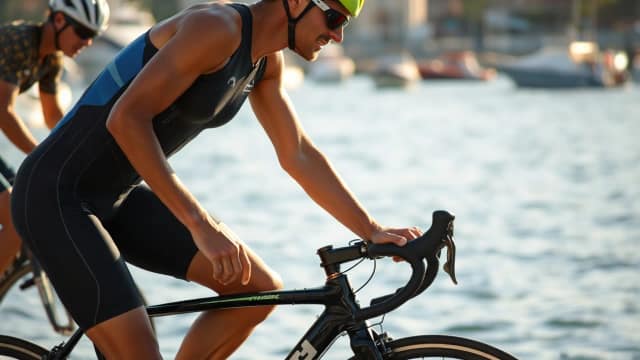
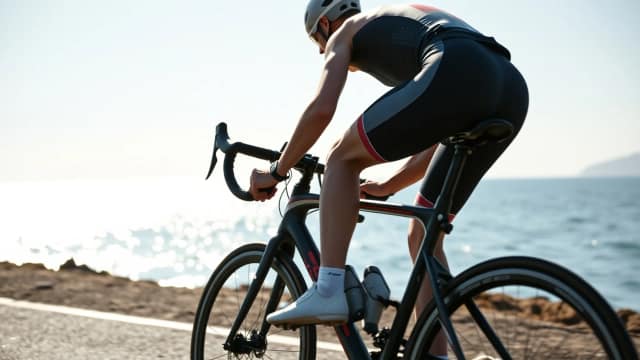

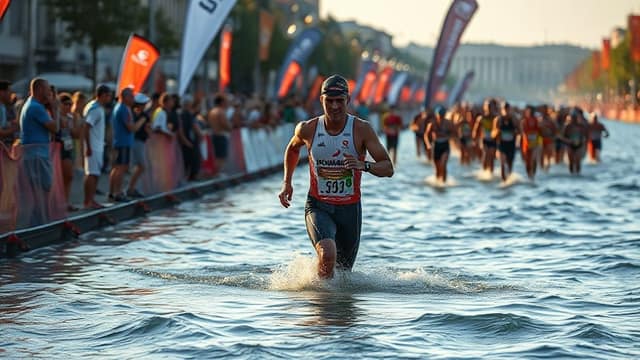
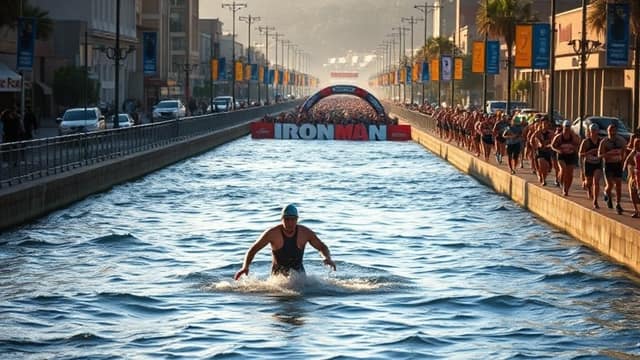
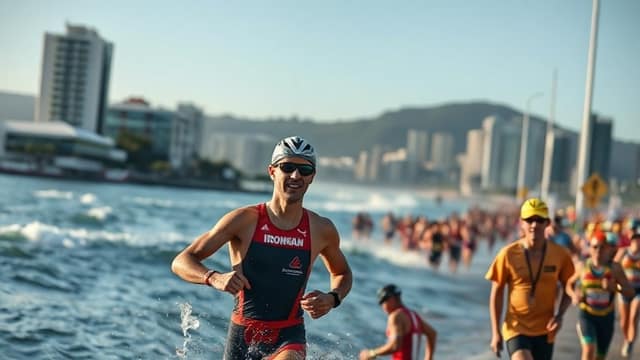

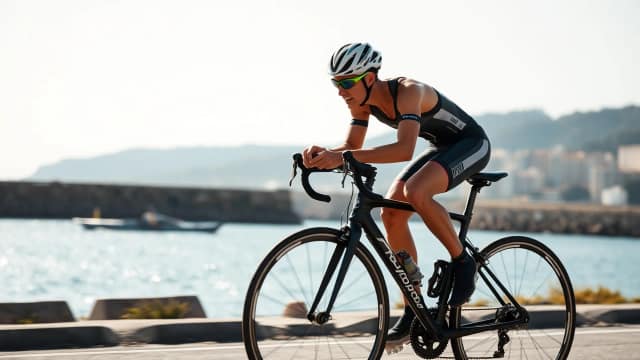
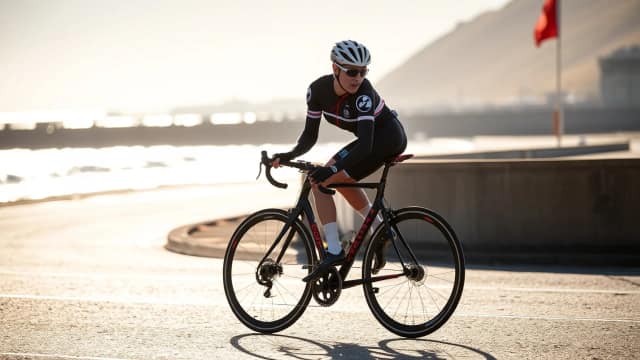

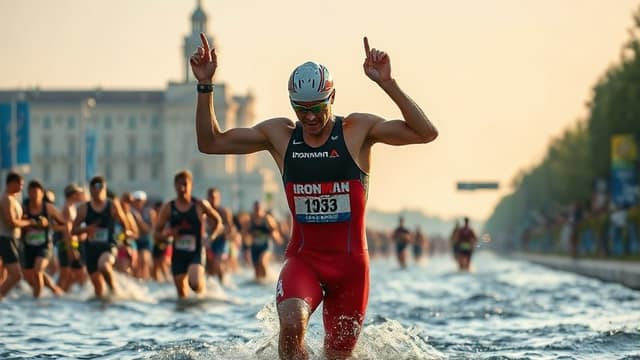


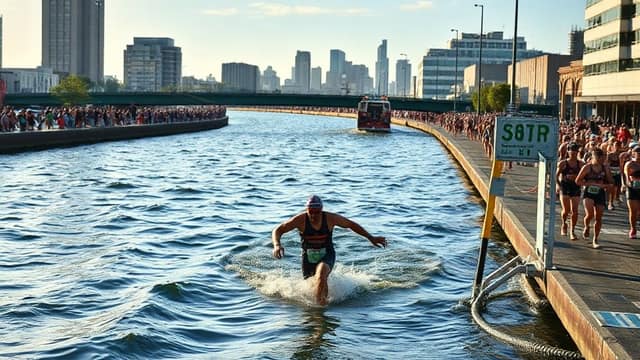

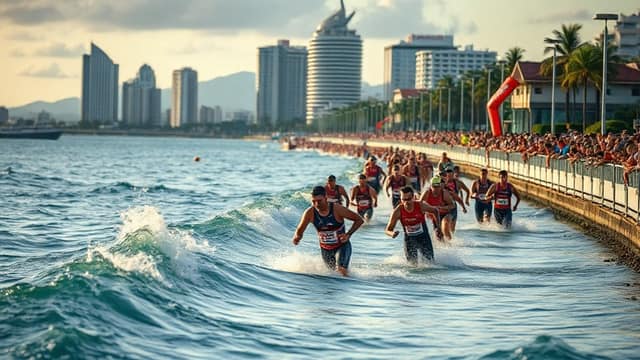

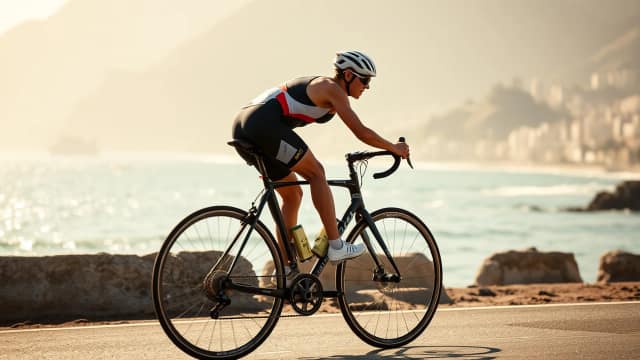



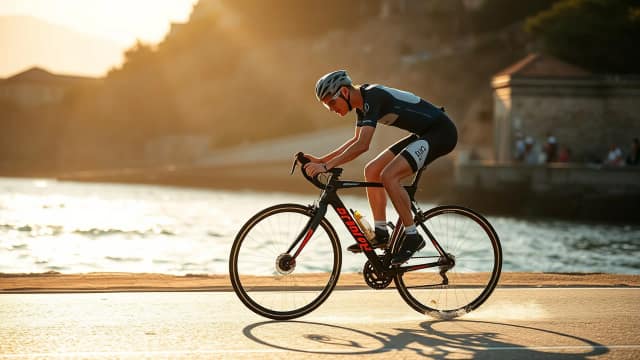

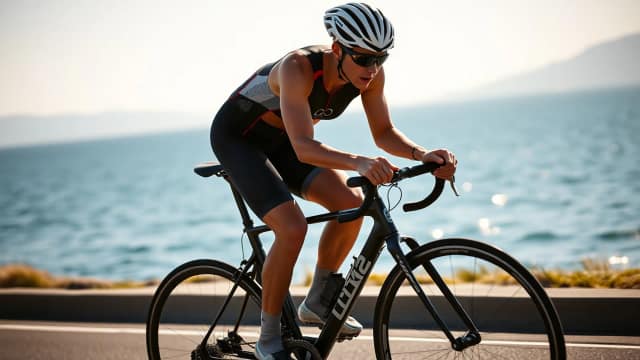
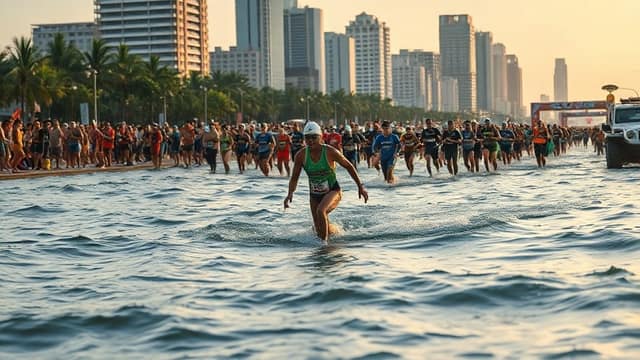

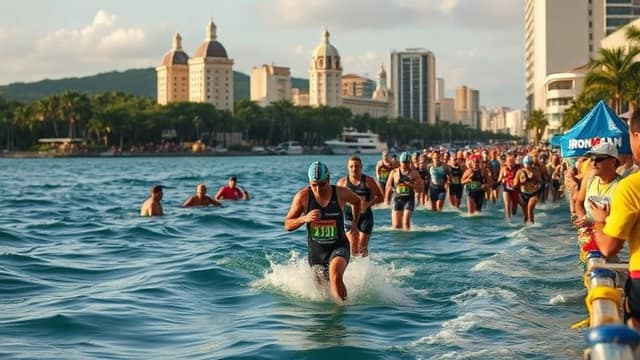
IRONMAN began in February 1978 on the island of Oahu, the result of a barstool debate between three Honolulu running and swimming clubs over which sport produced the toughest athletes. Naval Commander John Collins stitched together the existing Waikiki Roughwater Swim (3.8 km), the Around-Oahu Bike Race (180 km), and the Honolulu Marathon (42.2 km) into a single day, and the format has stayed numerically identical for half a century. What started with fifteen entrants is now a global circuit of roughly forty full-distance and over a hundred IRONMAN 70.3 races per year, with the title "IRONMAN" registered as a trademark of Advance Publications via The Ironman Group.
The two distances do different jobs. The full IRONMAN remains the prestige event: a single seventeen-hour day with the historic Kona World Championship as the apex, while IRONMAN 70.3 (1.9 km swim, 90 km bike, 21.1 km run) has become the volume distance, accessible to weekend athletes inside a six- to eight-hour finishing window. Both share the same global qualification logic: every sanctioned race offers age-group slots into a world championship, allocated by overall finishing rank and released through a rolldown ceremony the morning after the race.
Preguntas frecuentes
What's the difference between IRONMAN and IRONMAN 70.3?
IRONMAN is the full distance: 3.8 km swim, 180 km bike, 42.2 km marathon, with a 17-hour cutoff. IRONMAN 70.3 is exactly half each leg (1.9 / 90 / 21.1) with an 8:30 cutoff. Both award World Championship slots; the full distance is the older and more prestige-weighted format.
How do I qualify for the IRONMAN World Championship in Kona?
Finish high enough in your age-group at any sanctioned full-distance race that you receive a slot at the post-race rolldown ceremony. Slot count per age-group is proportional to that age-group's number of starters, and slots not claimed by the top finisher roll down to the next eligible athlete.
Is there a time-qualifying entry to Kona?
No. Every World Championship slot must be earned in person at a sanctioned IRONMAN race within the qualifying window. The Boston Marathon-style time-qualifying door does not exist for IRONMAN.
How much does an IRONMAN race cost to enter?
Full IRONMAN registrations sit in the US$700–950 range depending on venue and tier; IRONMAN 70.3 races run roughly US$350–500. Prices rise as race day approaches, and most events run early-bird windows for the previous year's finishers.
How many IRONMAN races run worldwide each year?
Around 40 full-distance and over 140 IRONMAN 70.3 races run annually across roughly fifty countries. The full-distance calendar is split between the Northern and Southern Hemispheres so an elite athlete can race year-round if they choose.
What's the difference between IRONMAN, the Challenge Family, and T100?
IRONMAN is the largest and longest-running brand and owns the Kona World Championship. Challenge Family runs roughly forty similar-distance races without the Kona qualification path. T100 is the newer professional-only circuit run by the PTO with no age-group component.