
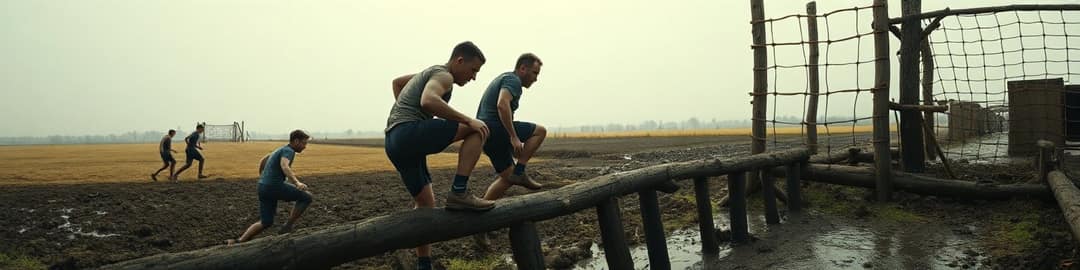
Distances are a guideline: actual distance, terrain, and obstacle count vary by venue. Most events are non-competitive at the front and entirely about the experience further back.
If you're picking a first race, filter by Sprint or 5 km: full Beasts and Ultras assume serious terrain and grip strength.
Upcoming




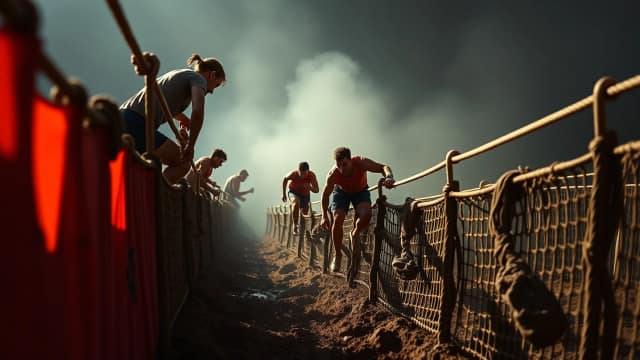
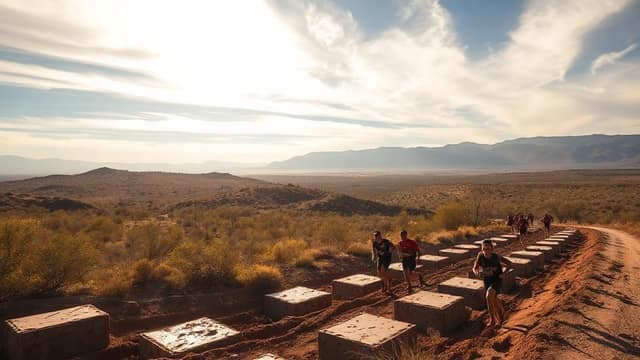

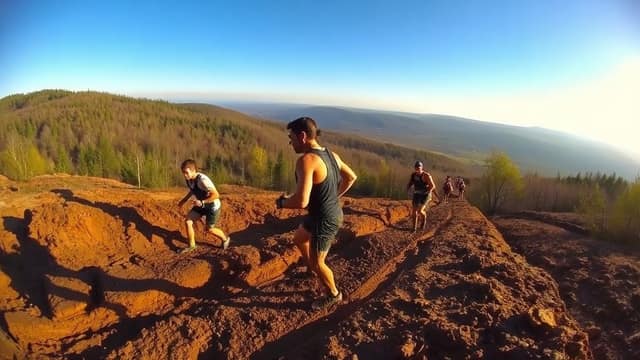






Past editions











Obstacle Course Racing: frequently asked questions
What is obstacle course racing?
Obstacle course racing, or OCR, is running over a set distance interrupted by purpose-built obstacles: walls, monkey bars, rope climbs, sandbag carries, and mud crawls. The largest series runs Sprint, Super, Beast, and Ultra distances, with Tough Mudder and DEKA filling out the format. Most events are competitive at the very front and about the experience for everyone behind.
What are the standard OCR distances?
The common distances are roughly 5 km (Sprint), 10 km (Super), 21 km (Beast), and 50 km (Ultra), each with a rising obstacle count. Actual distance and terrain vary by venue, so treat the labels as a guide. A first-timer should start with a Sprint or a 5 km event.
Do I need to complete every obstacle?
It depends on the wave: competitive heats require you to complete each obstacle or take a penalty, while open and fun waves let you skip or get help with no consequence. Grip strength and upper-body obstacles are the usual sticking points. Choose an open wave for your first race if you are unsure.
How do I pick a first obstacle race?
Filter for a Sprint or 5 km distance, enter an open rather than competitive wave, and pick a venue without extreme terrain. That combination keeps the obstacle count and the running manageable while you learn the format. You can step up to a Super or Beast once you have one finish behind you.